

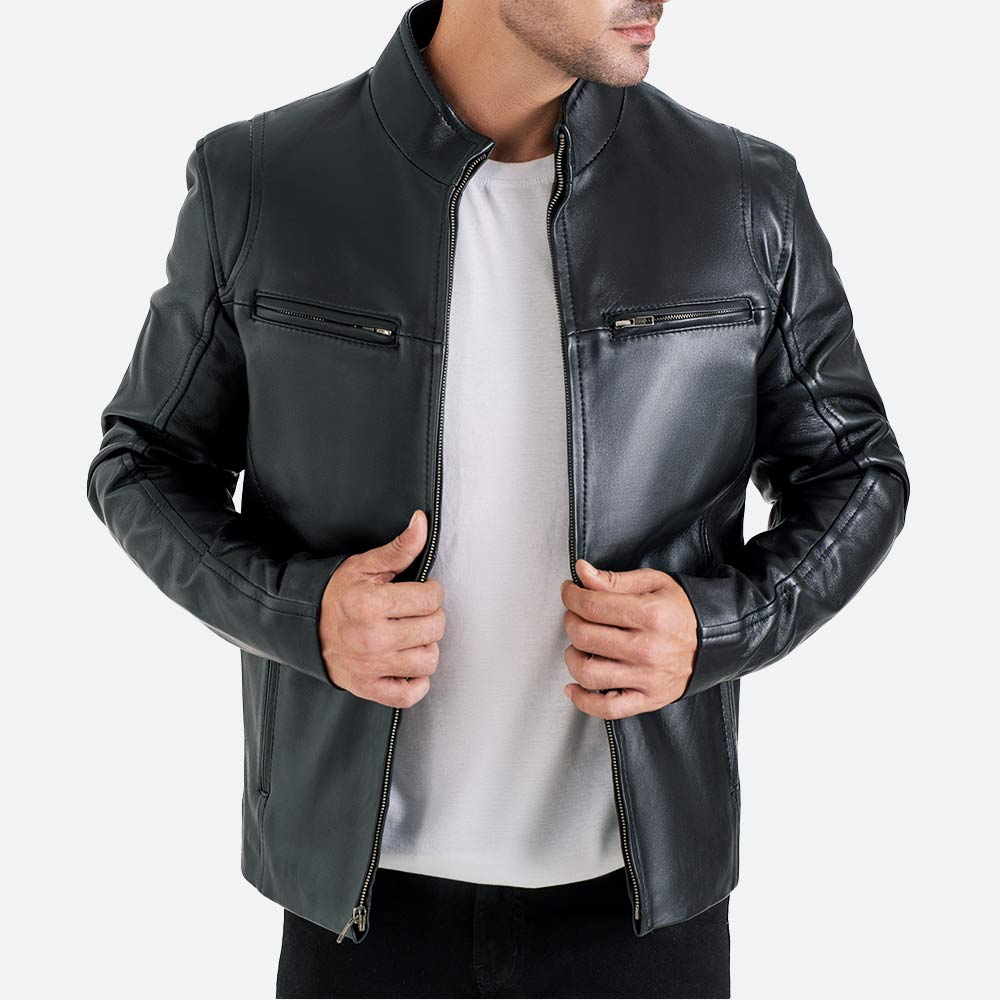
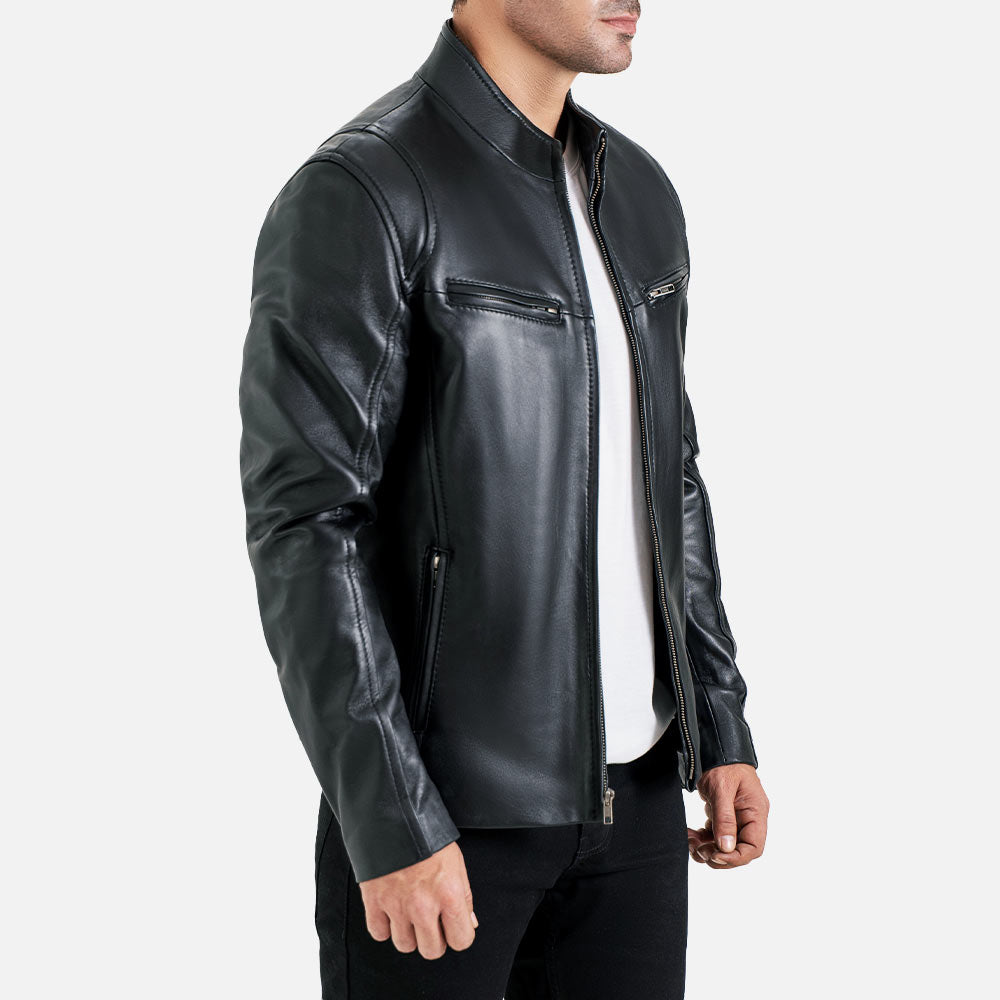
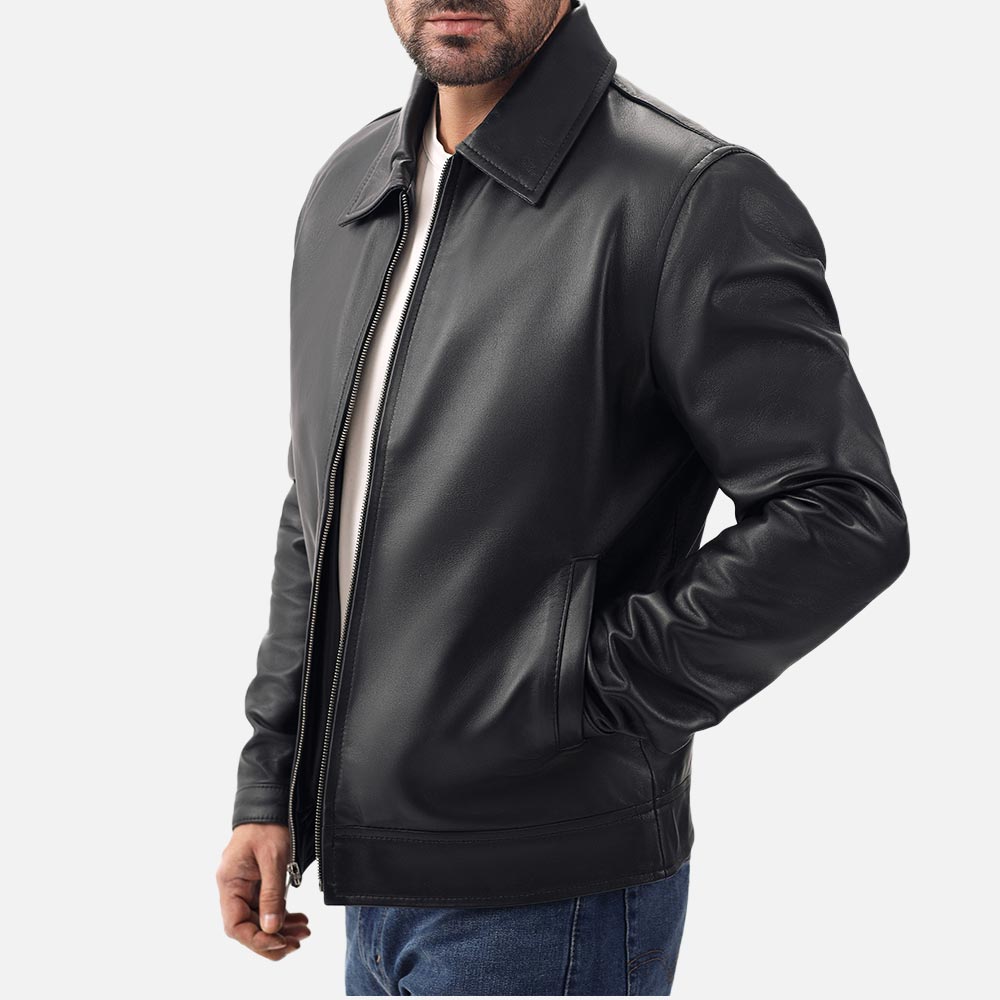
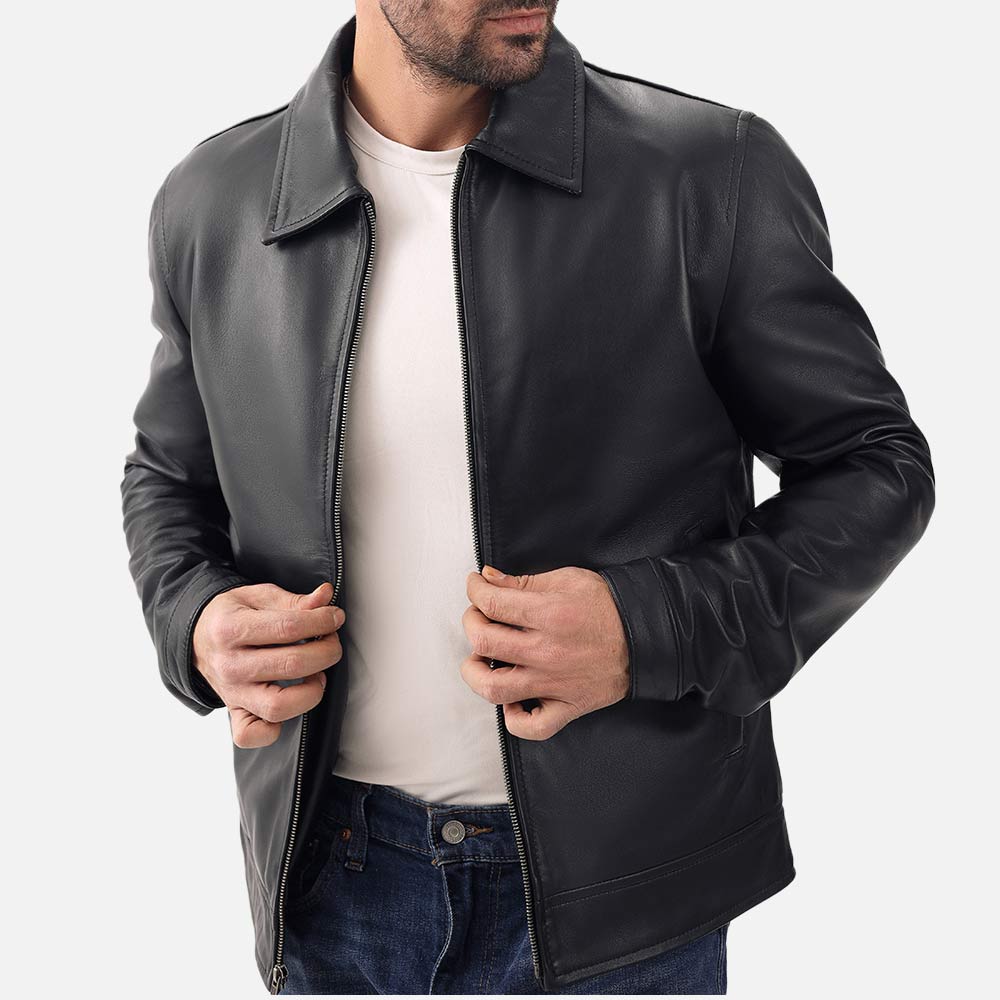
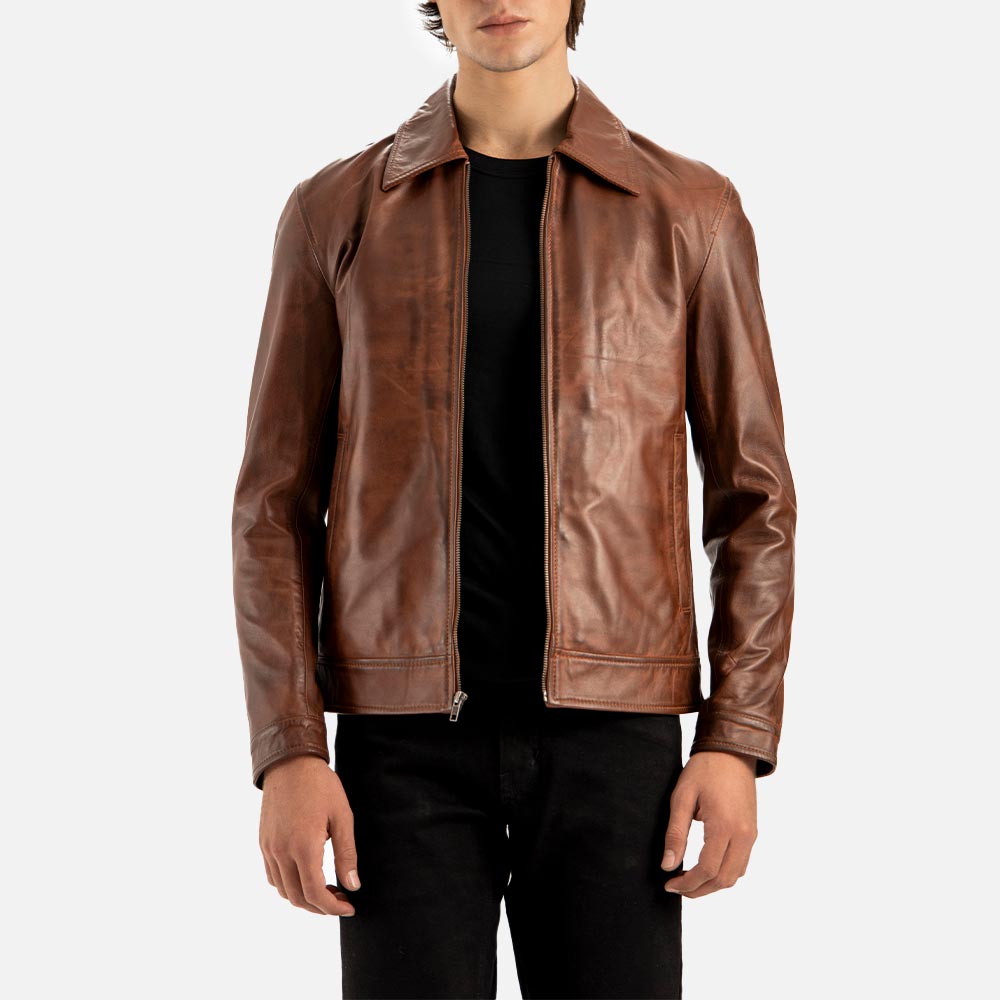
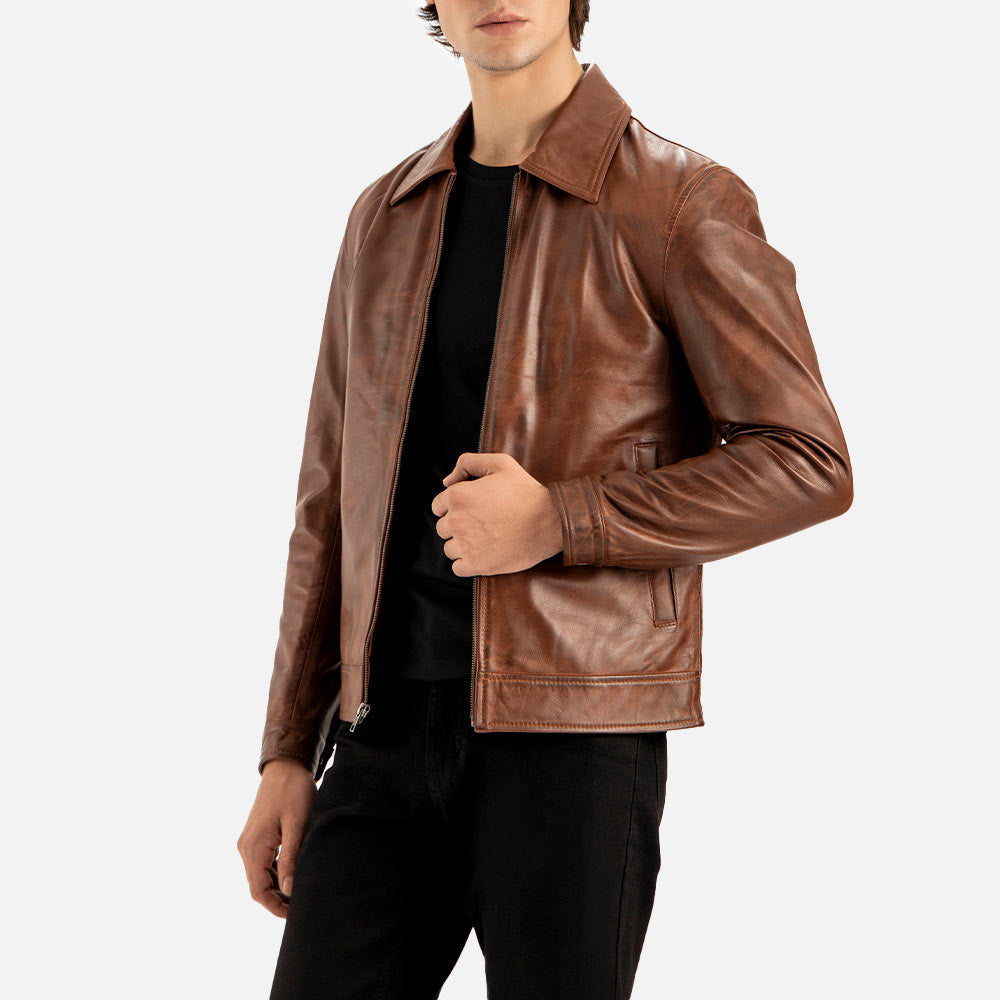
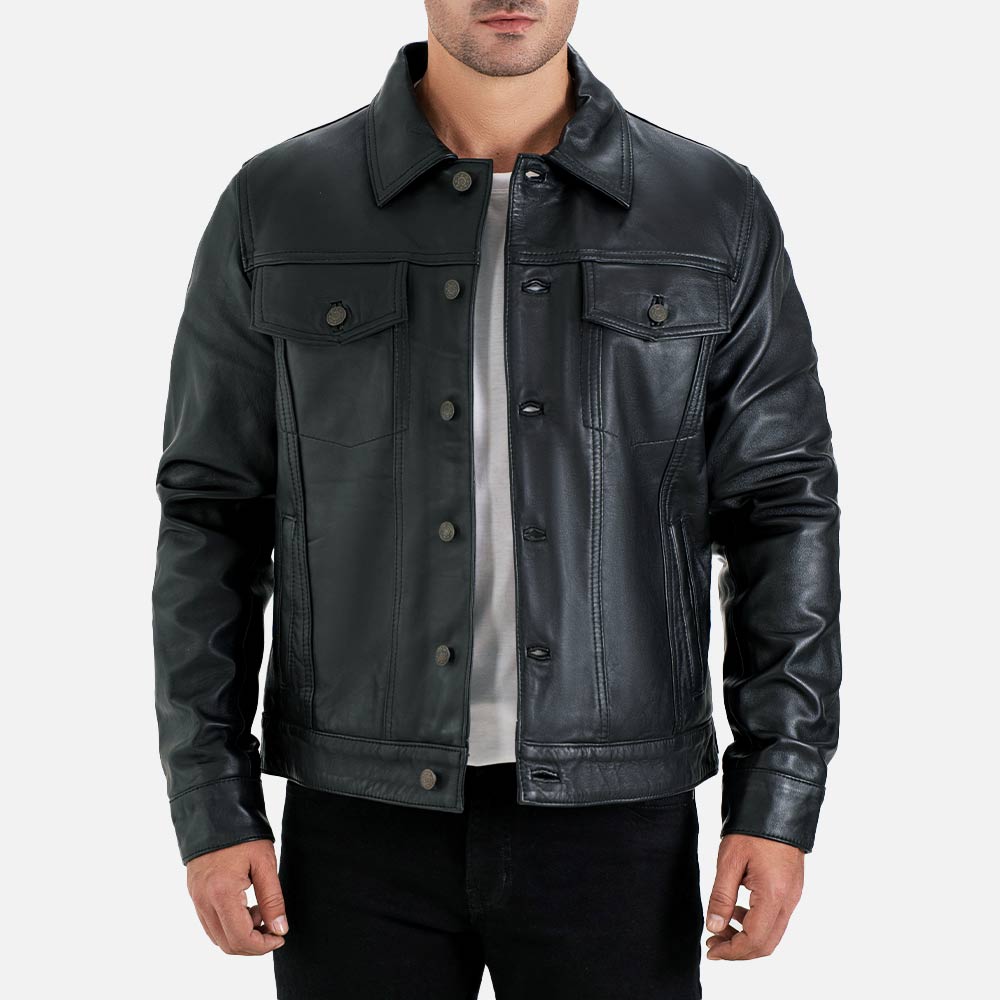
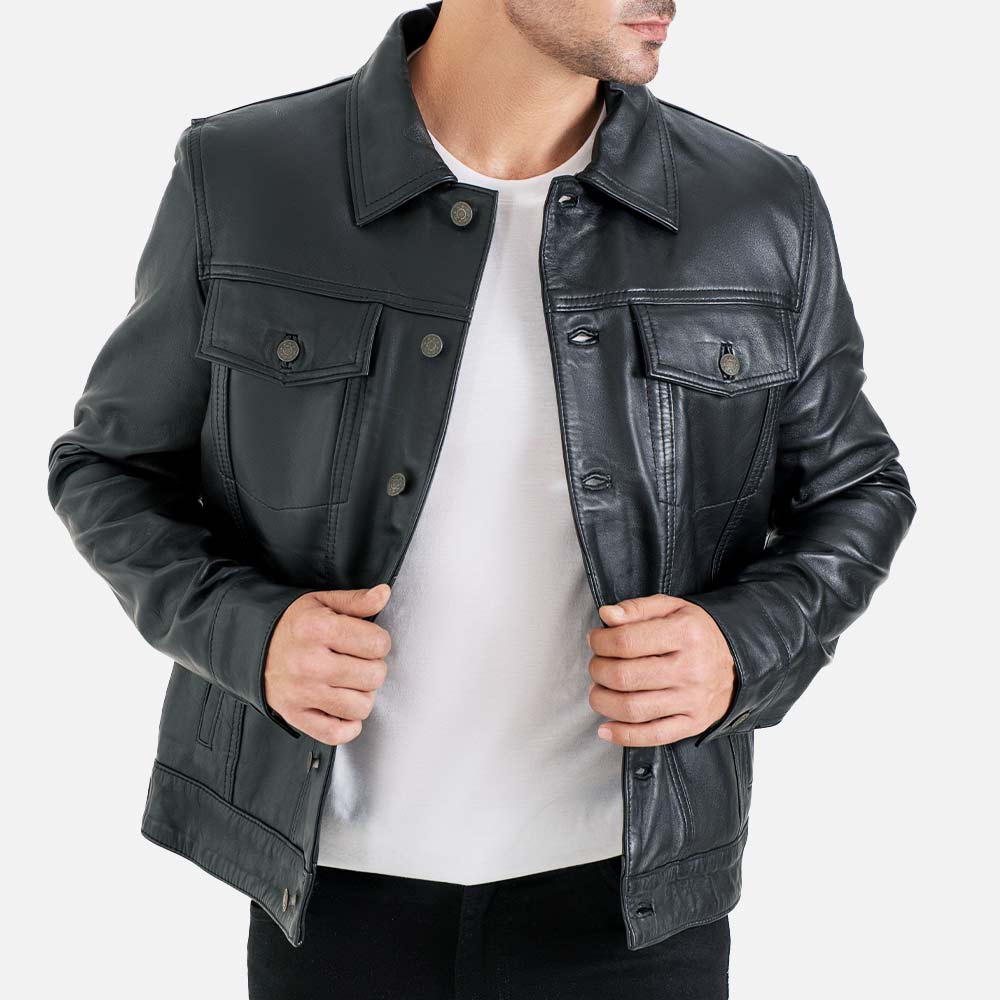
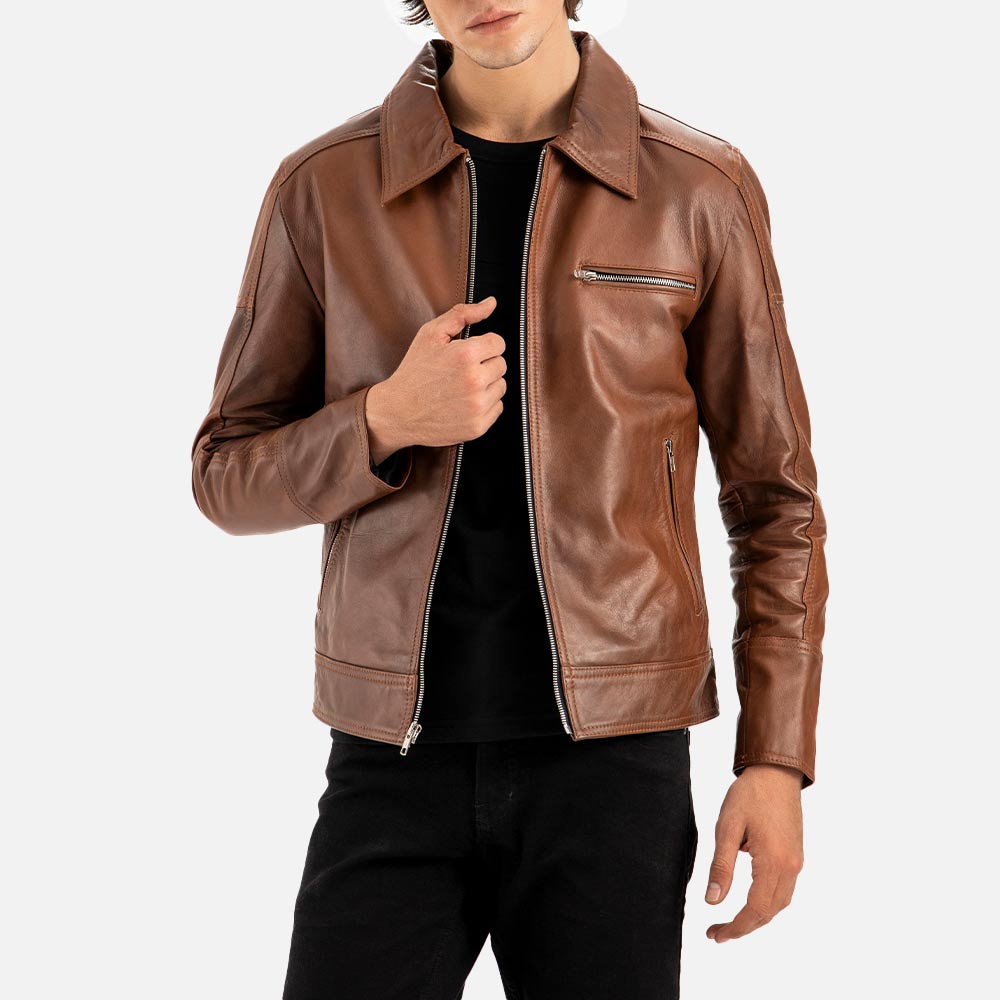
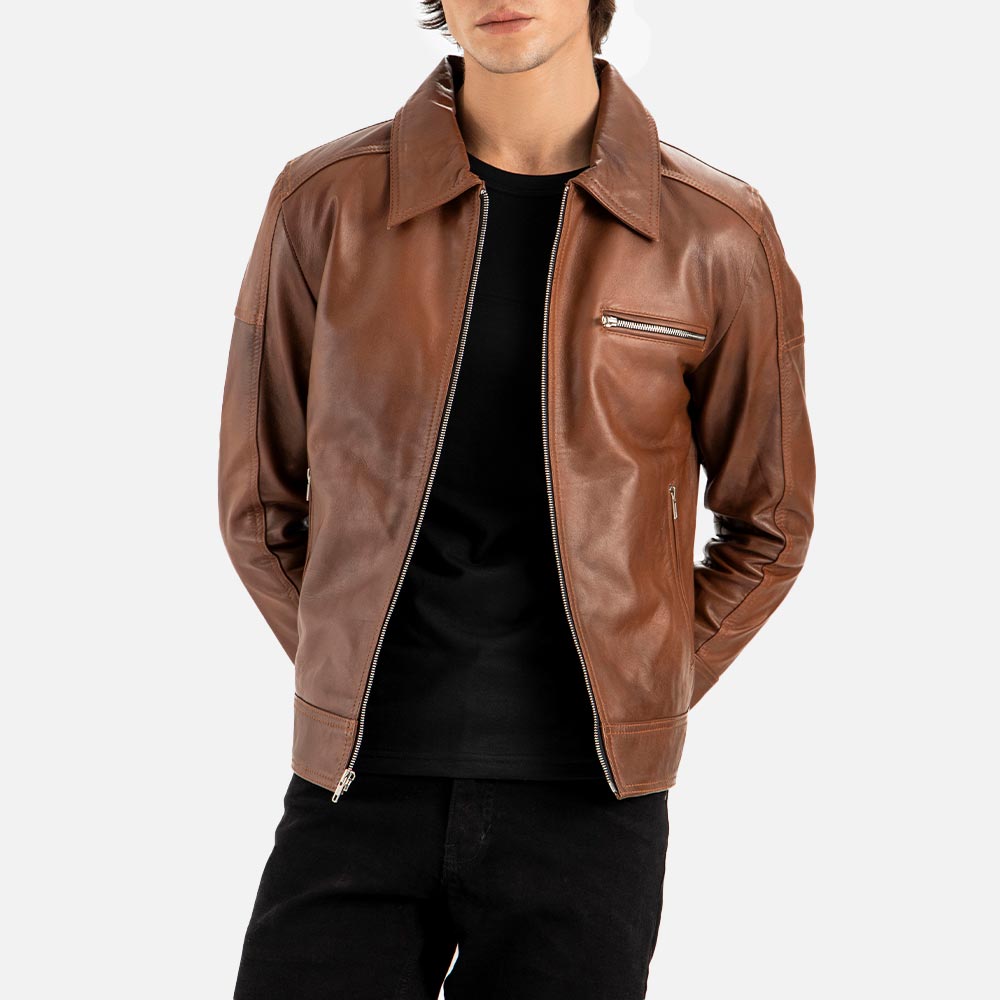
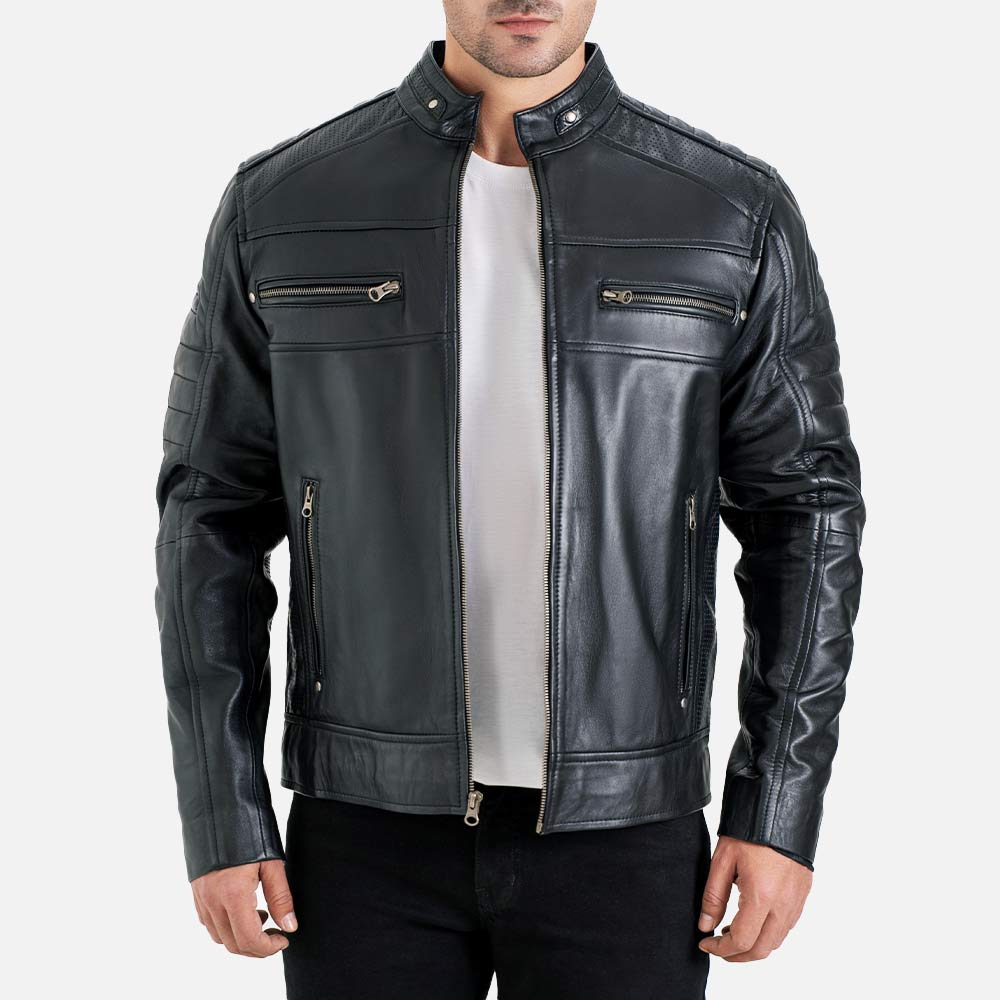
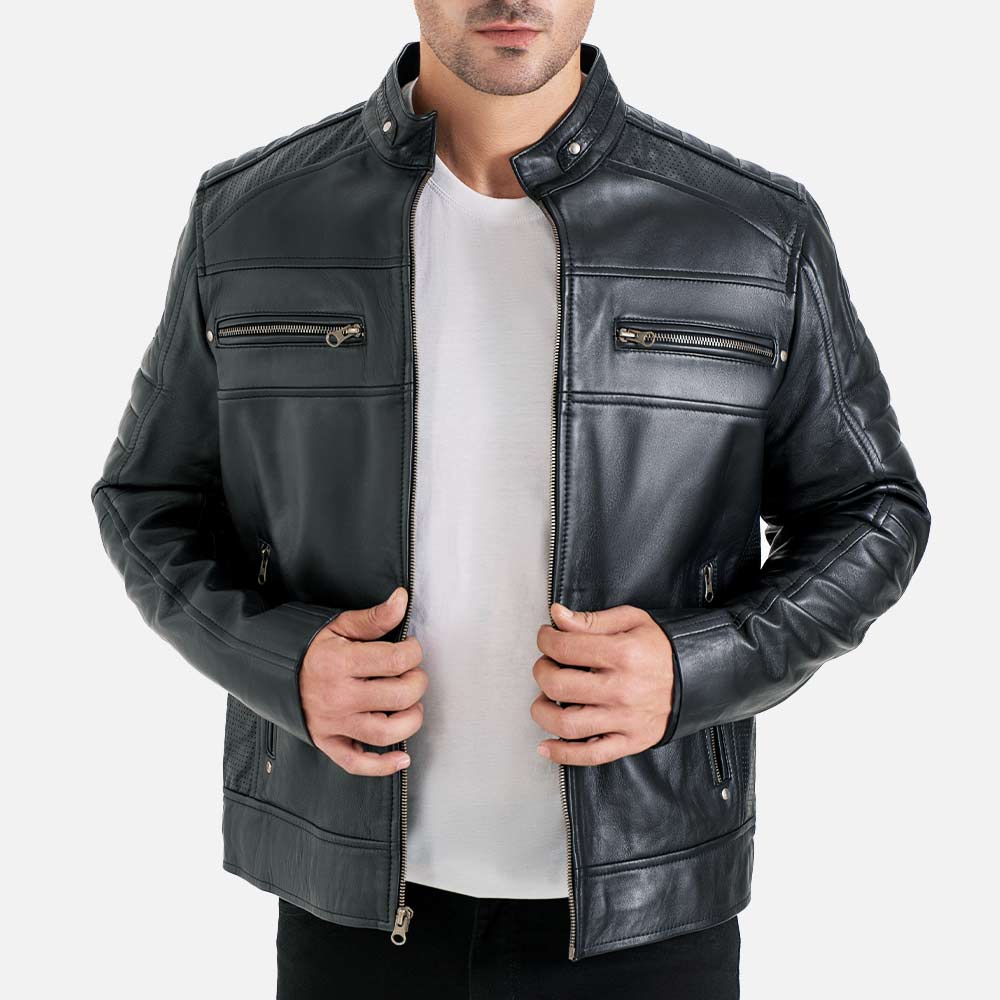
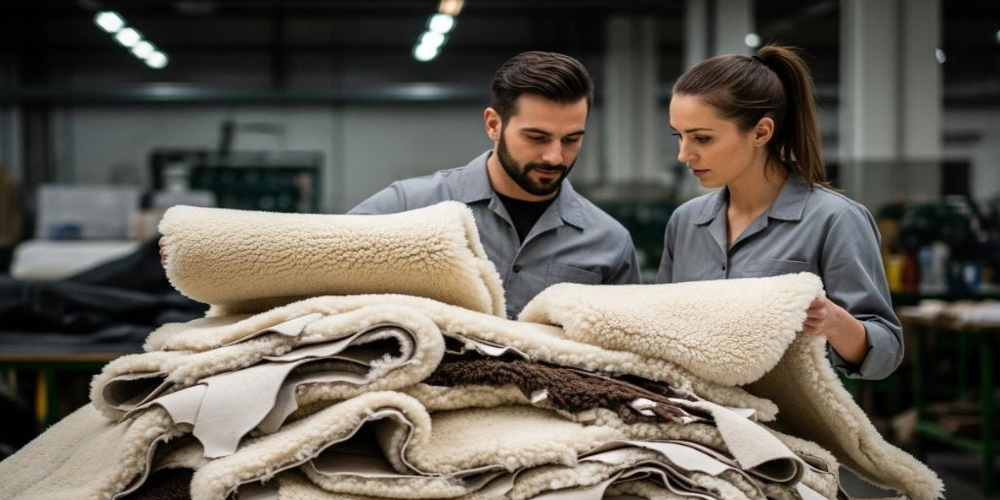
At Marco Enzolani, we inspect every full-grain hide before production, because leather quality directly affects durability, comfort, and how the jacket develops its natural patina over time.
Quick answer:
A bomber jacket is a short, waist-length jacket with a ribbed collar, cuffs, and hem and a full front zip. It was initially issued to military flight crews in the early 1900s. Today it's a wardrobe staple. Made with various fabrics, from nylon to leather, polyester to much more. A leather bomber jacket is the most versatile fashion piece as it never goes out of style.
The Jacket that Started in a Cockpit
Most jackets are designed for a season. The bomber was designed for a cockpit.
A bomber jacket is a short, waist-length jacket with a ribbed collar, cuffs, and hem, closed by a full front zip. That snug ribbing serves a function. It seals body heat in and cold air out, creating a barrier. This function was essential for pilots flying at high altitudes, so they stay warm throughout the flight.
The question remains: why is it called a bomber jacket? These were officially "flight jackets," and the name "bomber" was later borrowed from the crew who flew and completed bombing missions wearing the jackets.
Every bomber jacket is a flight jacket, but the nickname is the one that made it into everyone's closet.
A Short History of Bomber Jackets
Here is a short version of how a piece of military kit became a fashion staple today.
Since early planes had open cockpits, the men flying them froze. During World War I, this problem was taken into consideration, and hence the first leather flight jackets were created that kept them warm and had a snug collar and waist. The 1930s gave us the two design ideas that are still being followed today.
The A-2, adopted by the U.S. Army Air Corps in 1931, was the classic leather flight jacket, it was snug and rugged. The B-3 was the heavy, shearling-lined one built for bomber crews flying high-altitude missions in brutal cold. Then came nylon. The MA-1, developed for the U.S. military around the 1950s, was lighter, easier to move in, and came with a famous reversible orange lining so a downed pilot could flip it and signal for help.
After the wars, there was a surplus of jackets that flooded civilian shops, eventually leaving the airfield for good. James Dean and Steve McQueen wore them off-duty and made them shorthand for effortless cool. Top Gun (1986) put a leather G-1 on Tom Cruise that sent demand through the roof. Hip-hop adopted the nylon bomber through the '90s, and since then the bomber jacket has never left the runway.
Now there are many versions of warm bomber jackets on the market, still timeless and evergreen.
The Main Types of Bomber Jackets
With multiple types and variants of what started as a weather control, these are the ones that you will mostly notice today:
-
MA-1: the lightweight nylon classic, usually olive or black. The everyday, throw-it-on option.
-
A-2: the original leather flight jacket. Structured, rugged, timeless.
-
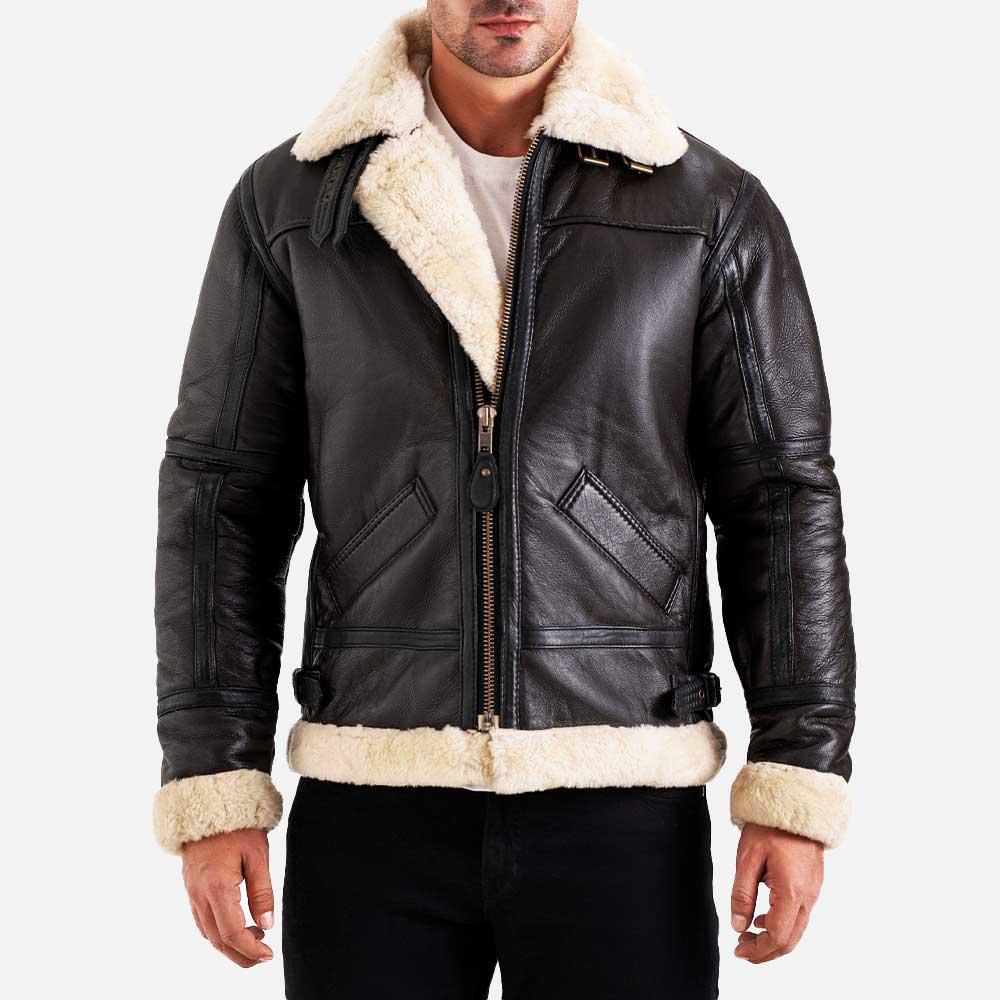
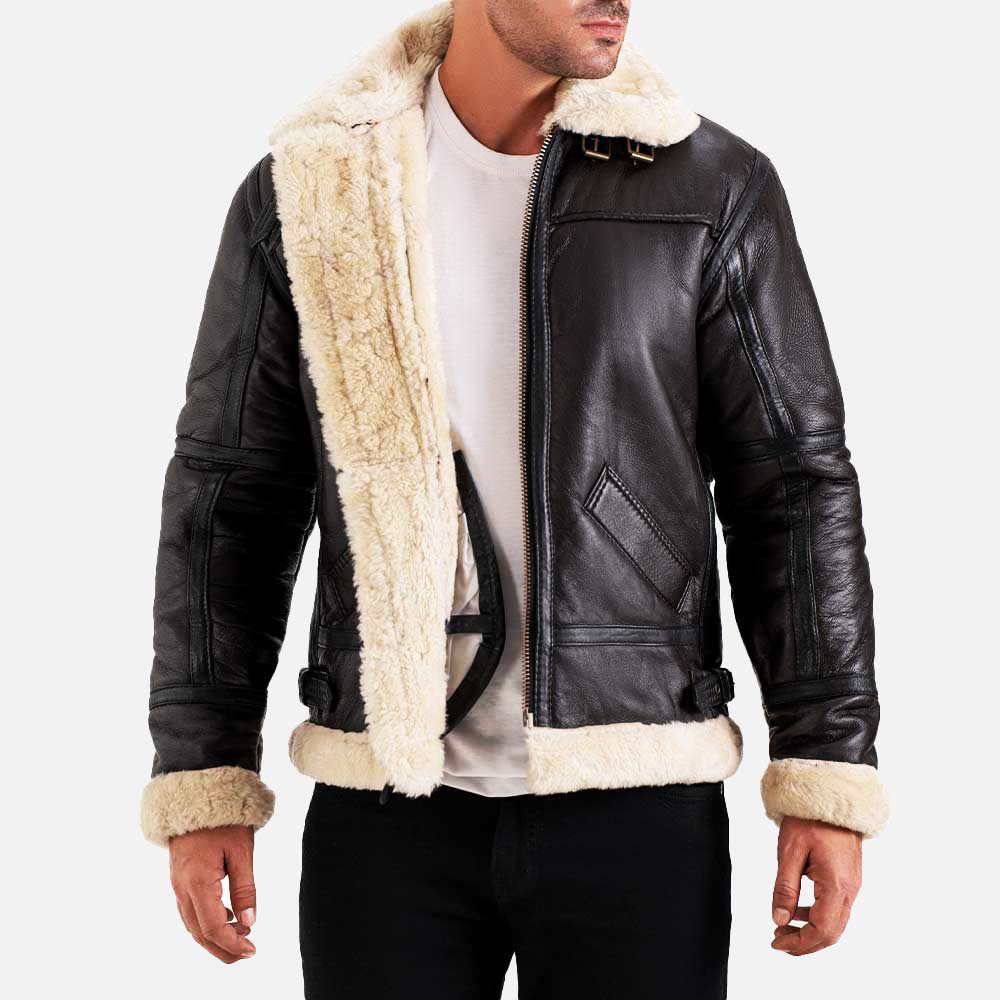
B-3 / shearling: heavy, wool-lined, built for genuine cold-weather warmth.
-
Varsity (letterman): wool body, leather sleeves, ribbed trim. The American-campus cousin.
-
Leather bomber: the dressed-up one. It keeps the shape but reads sharper, and it's the version that actually ages well.
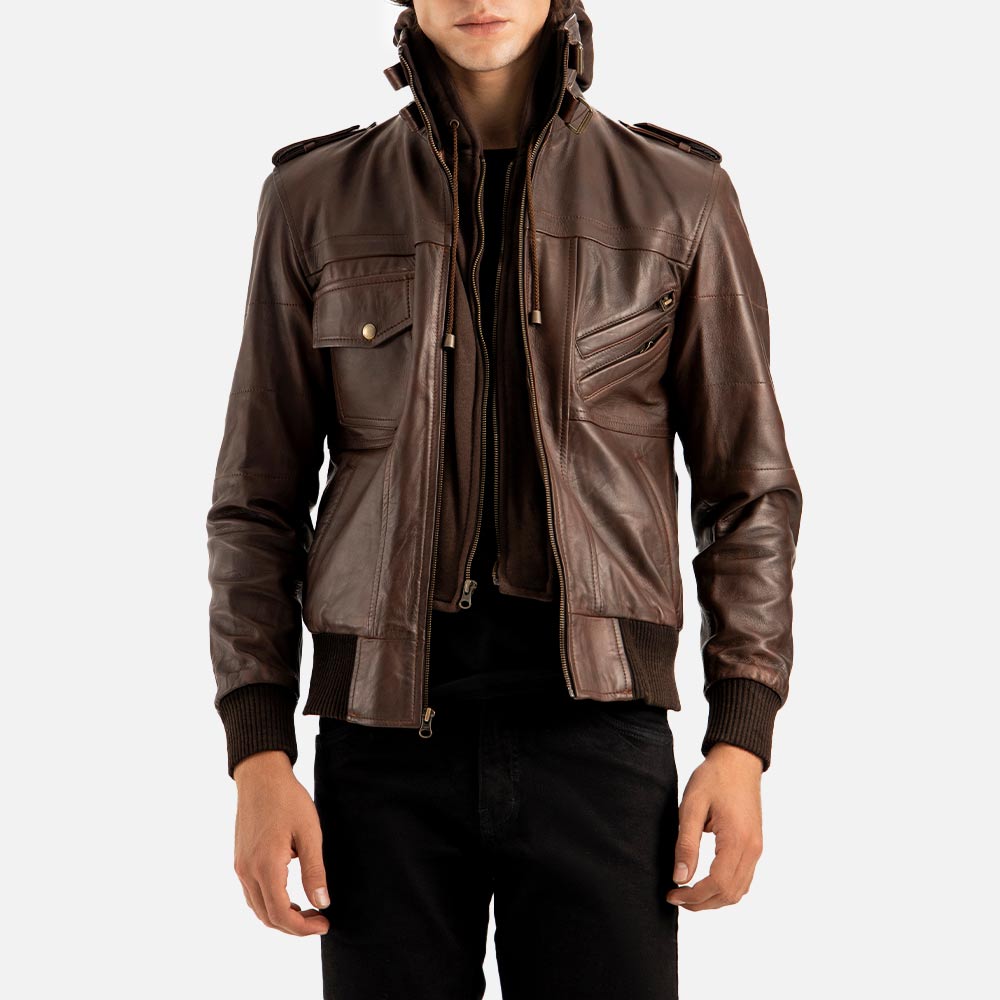
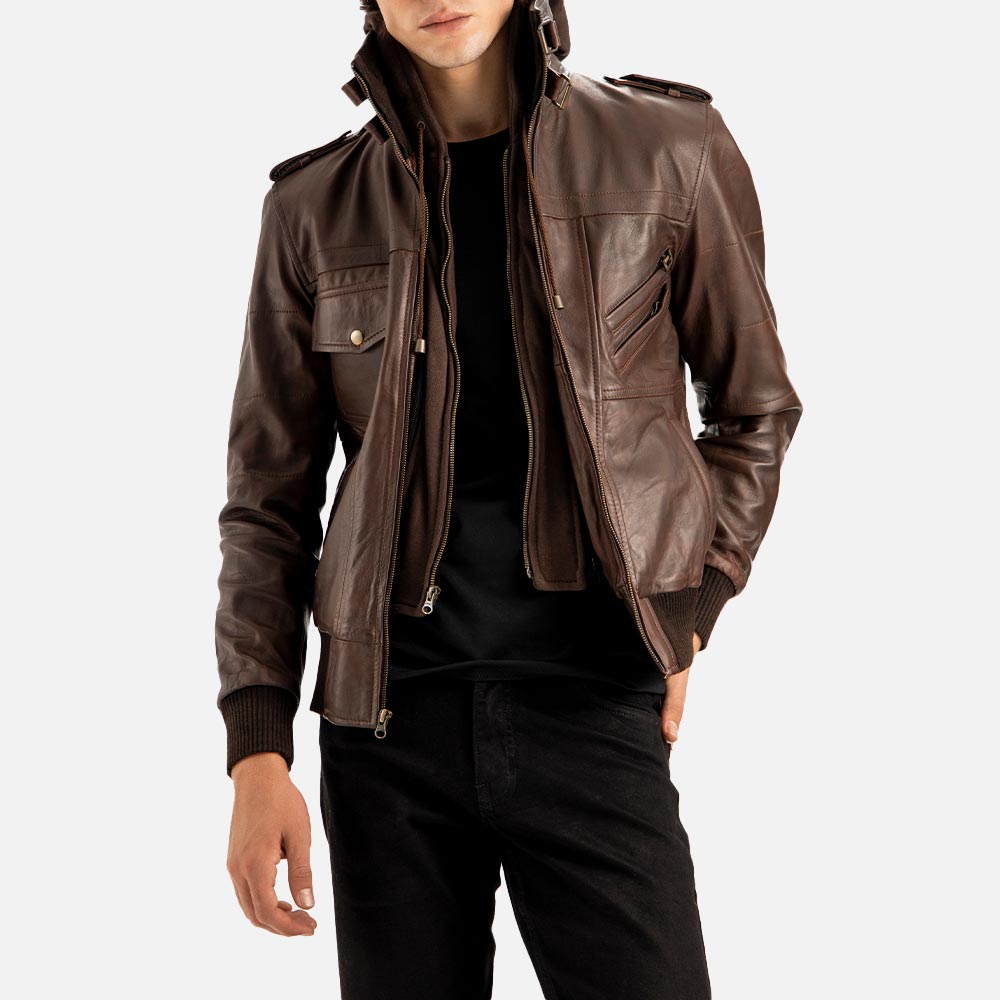
That leather bomber jacket is where most style-conscious buyers land, which is why our men's leather bomber jackets sit at the center of the collection, from clean hooded leather bombers to vintage leather styles.
Which Material is better and Why Leather Wins
While there are a lot of materials bomber jackets are made of, nylon and leather are the ones the market is most inclined to. Nylon is light, cheap, and fine for a season or two.
However, leather costs more up front and lasts all seasons. Here's the quick comparison between the two:
|
Leather bomber |
Nylon bomber |
|
|
Durability |
10–20 years with care |
1–3 seasons |
|
Look |
Dresses up; ages into a patina |
Casual; stays the same |
|
Warmth |
Warm (shearling versions, very warm) |
Light, less insulating |
|
Best for |
A long-term wardrobe staple |
A cheap, easy everyday layer |
However, there are also different types of leathers to choose from.
Lambskin vs Cowhide vs Shearling: Which Leather Is Right for You
Not all leather bombers behave the same way. Here's how the four you'll encounter compare:
|
Lambskin |
Cowhide |
Shearling |
Full-Grain |
|
|
Feel |
Soft, lightweight |
Thick, structured |
Soft with wool lining |
Firm, softens with wear |
|
Warmth |
Light |
Moderate |
Very warm |
Moderate |
|
Durability |
Moderate |
Very high |
High |
Highest |
|
Best for |
A refined look |
Rugged everyday wear |
Genuine cold weather |
A 10+ year jacket |
Lambskin is soft, lightweight, and refined
Cowhide is thicker and tougher
sheepskin/shearling brings real warmth thanks to the wool lining the B-3 tradition in a modern cut
Lastly, the full-grain leather that uses the top layer of the hide with its natural grain intact, which is why it's the most durable and why it develops that lived-in patina instead of cracking. From our manufacturing experience, full-grain leather maintains its structure and develops a richer appearance with regular wear when properly cared for.
This is why our men's genuine leather bomber jackets use full-grain hide, making it a decade-long purchase rather than a seasonal one.
However, one should be wary of many counterfeits in the market. Fake leather looks chunky and can be used in all seasons.
Want the full breakdown? Read our guide to full-grain leather and how to identify it.
How to Spot a Genuine Leather Jacket?
You can tell real leather from fake with these 4 tips.
Check the,
-
Grain: real leather has an irregular, natural grain; fakes look perfectly uniform, like a printed pattern.
-
Smell: genuine leather has a soft, natural scent; fakes smell like plastic or chemicals.
-
Weight and feel: real leather has a little weight and warms to your touch; fake feels thin and stays cold.
-
Edges: real leather has clean, slightly rough-cut edges; bonded or faux leather often has perfect plastic edges that peel over time.
If a "leather" bomber is suspiciously cheap and ticks the fake boxes, it's almost certainly bonded or PU, and it'll crack within a year or two. This is exactly why cheaper "genuine leather" or bonded leather wears out in less than a year.
How to Choose a Bomber Jacket that Lasts
Now that you know the history and how to spot an authentic leather jacket, here are some basic tips to choose the right one.
-
A bomber is meant to sit at the hip, not the thigh.
-
The cuffs and hem should hug without pinching, and you want just enough room for a single layer underneath a tee or a light knit, not a hoodie.
-
If it billows at the waist, it's too big; if you can't move your arms freely, it's too small.
-
Get the leather and the fit right, and the rest is just taste.
Curious how a full-grain leather bomber is actually cut and finished?
See how we cut and finish our full-grain leather bombers →
5 Mistakes to Avoid When Buying a Leather Bomber Jacket
-
Sizing up for layers you won't actually wear.
-
Judging quality by lining and hardware instead of the hide.
-
Treating "leather look" and real leather as the same thing.
-
Skipping conditioning during the first two years.
-
Storing it on a wire hanger or near direct heat.
How to Style a Leather Bomber Jacket?
Since you already know how to choose a jacket, here are some styling tips.
If you only buy one, buy black. A black leather bomber goes with almost anything, be it jeans, chinos, an all-black outfit, or even over a shirt for dinner. Something like our Ischia black hooded leather bomber handles these aesthetics.
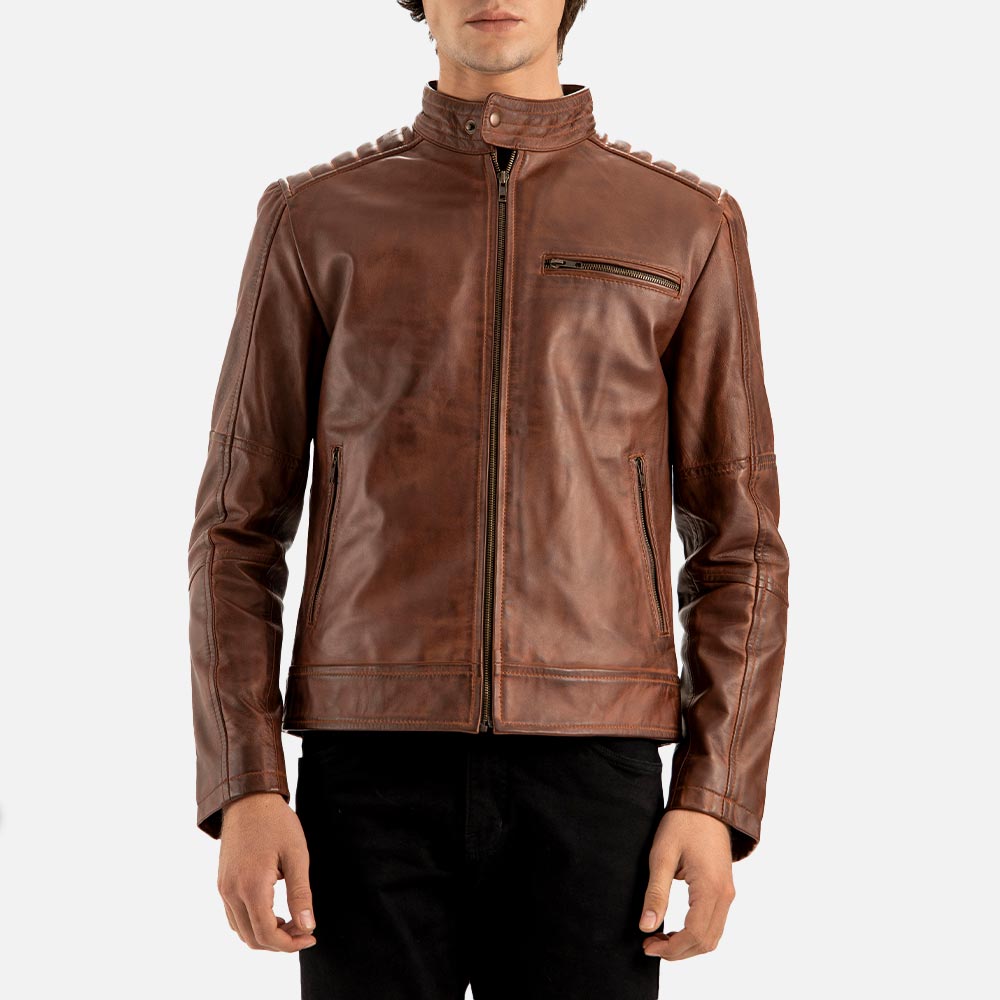
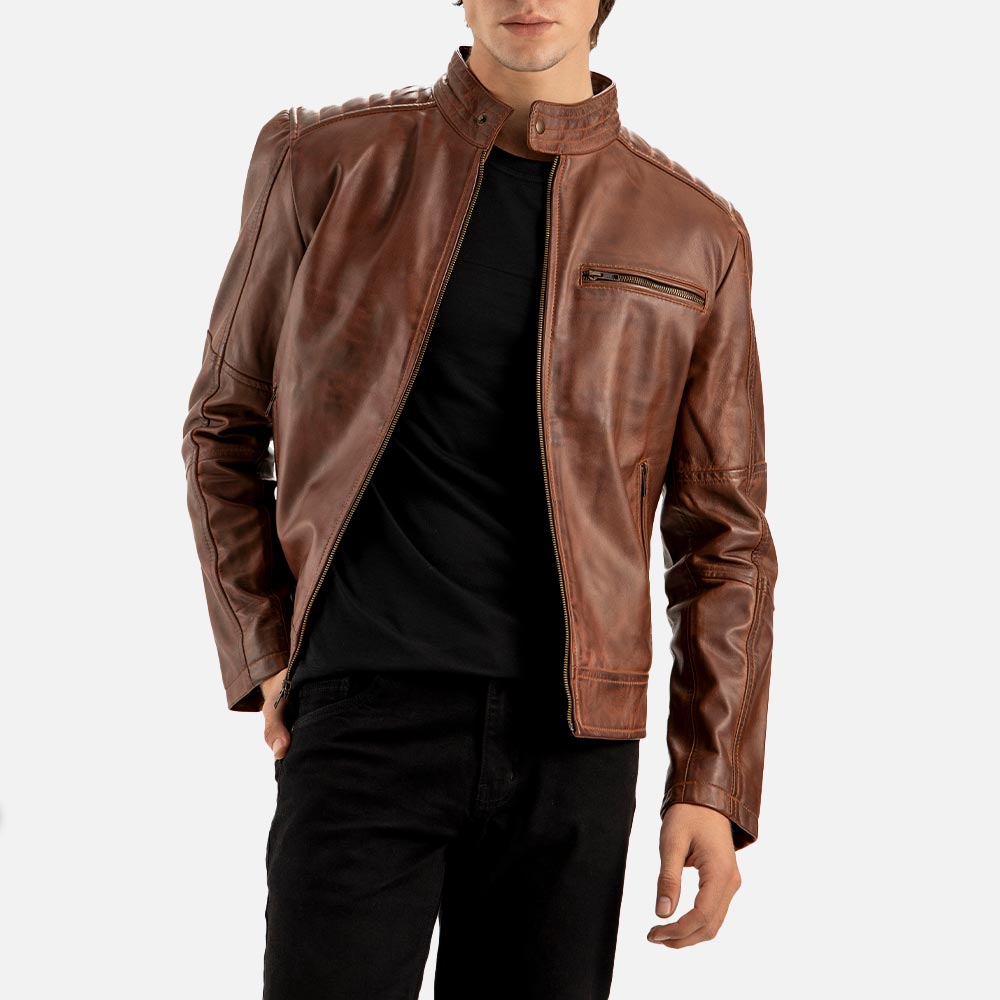
Brown reads warmer and more casual; a brown leather bomber pairs beautifully with denim and earth tones.
A few combinations that always work:
-
Everyday: black bomber, white tee, dark jeans, clean sneakers or boots.
-
Smart-casual: brown bomber, light knit, tailored trousers, leather boots.
-
Layered for cold: shearling bomber over a hoodie or chunky sweater.
The jacket does the heavy lifting, so keep the rest simple.
Keeping it Worth the Money
A leather bomber has endless limitations. A well-kept leather jacket can last anywhere from 10 to 20 years. Always wipe it down with a dry cloth after wear, condition the leather a couple of times a year so it doesn't dry out, and store it on a wide hanger away from direct heat and sun. Read our full article on how to clean and care for a leather jacket if you encounter any issues.
A few Marco Enzolani bombers to start with
If you're weighing options, here are a few of our men's bomber leather jackets worth a look:
-
Ischia Black Hooded Leather Bomber: the most versatile pick; black goes with everything.
-
Trentino B3 Brown Shearling Bomber: the B-3 heritage piece, real sheepskin warmth for genuine cold.
-
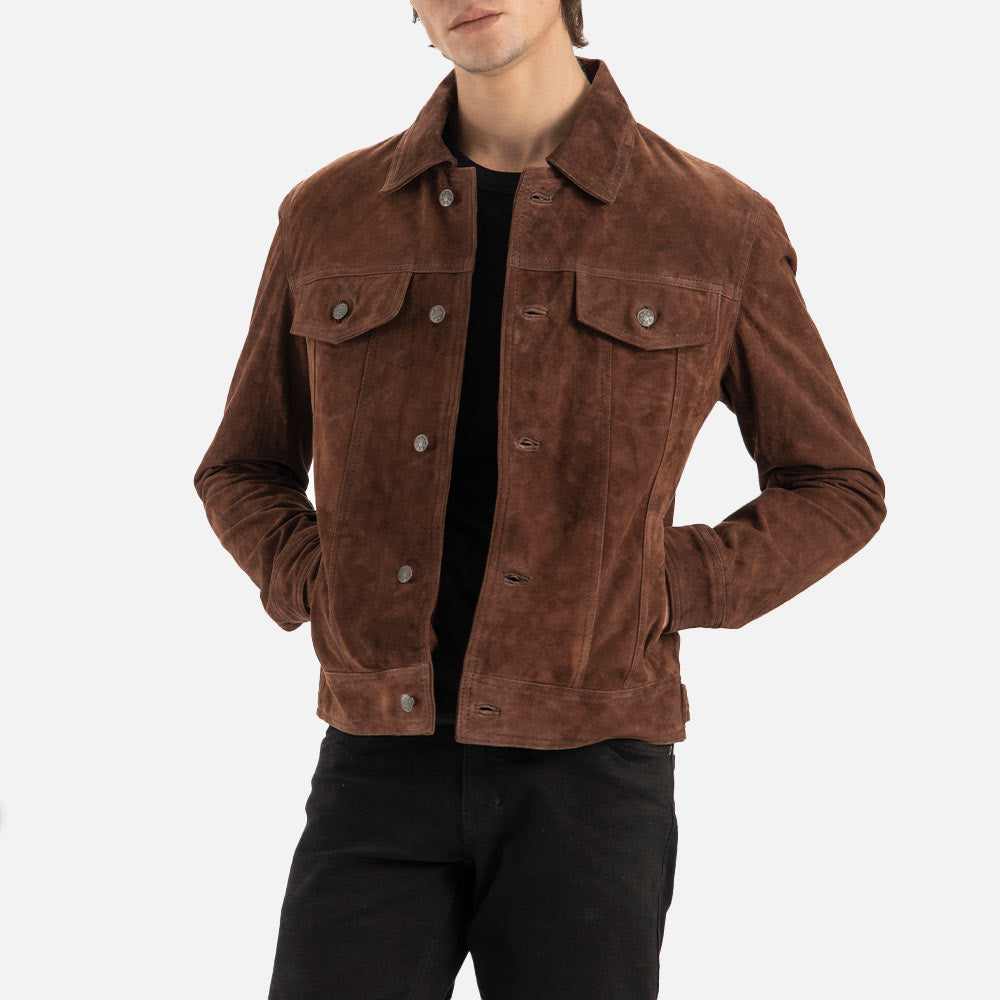
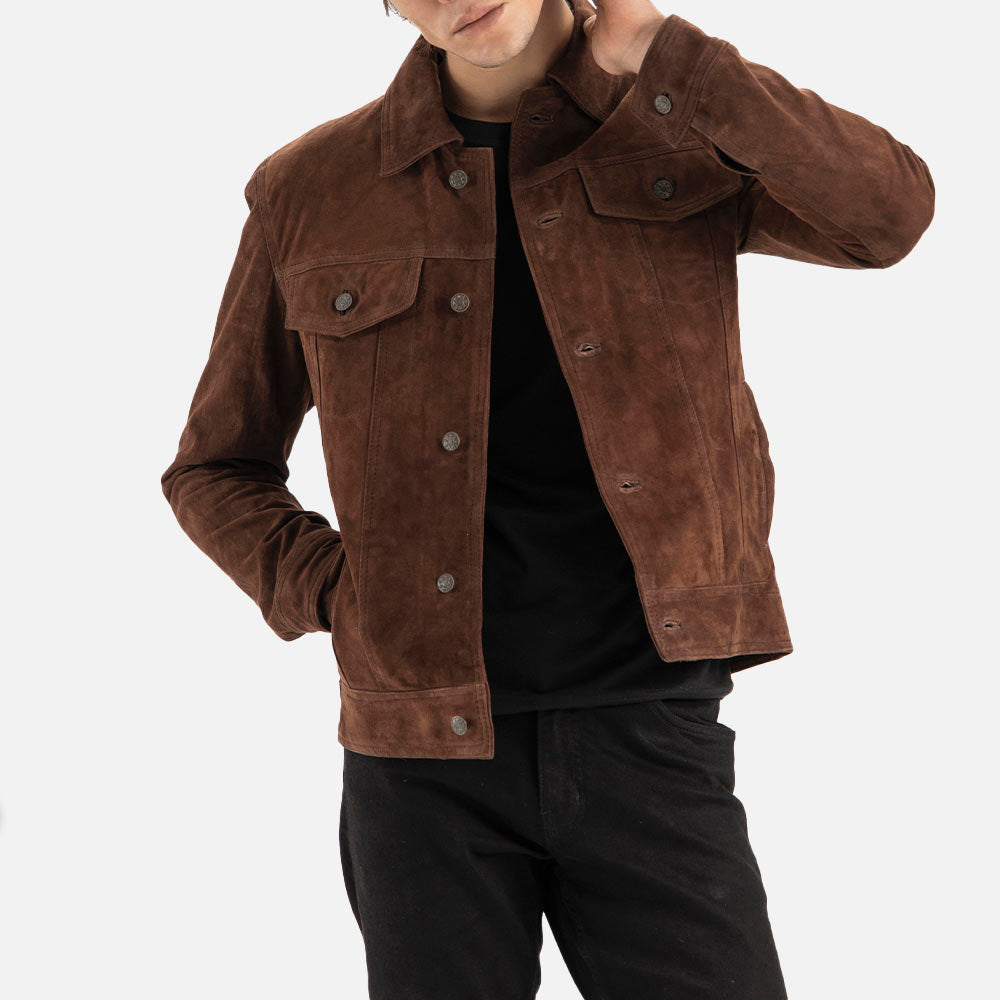
Ortisei Brown Suede Bomber: softer and more casual if leather feels too heavy.
-
Prefer a classic, non-hooded cut? Browse the full vintage leather bomber collection.


Leave a comment
This site is protected by hCaptcha and the hCaptcha Privacy Policy and Terms of Service apply.