



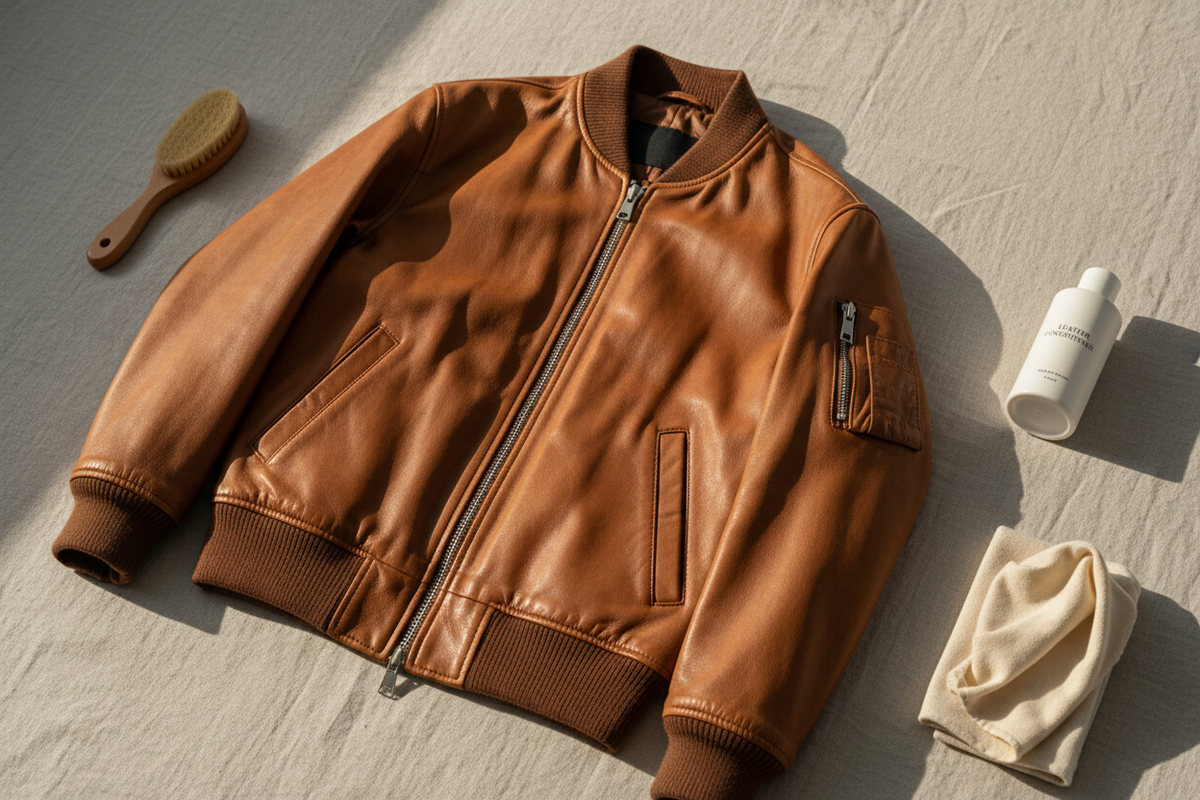
Quick Answer
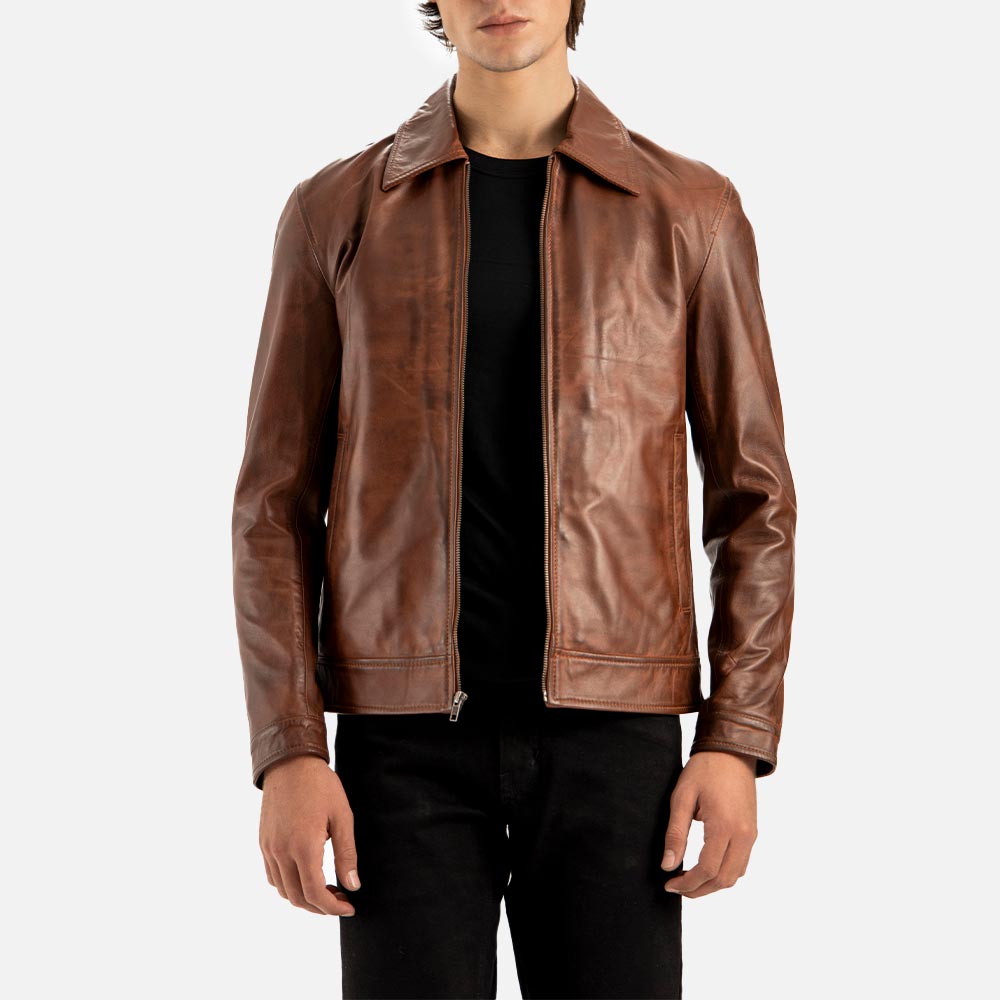
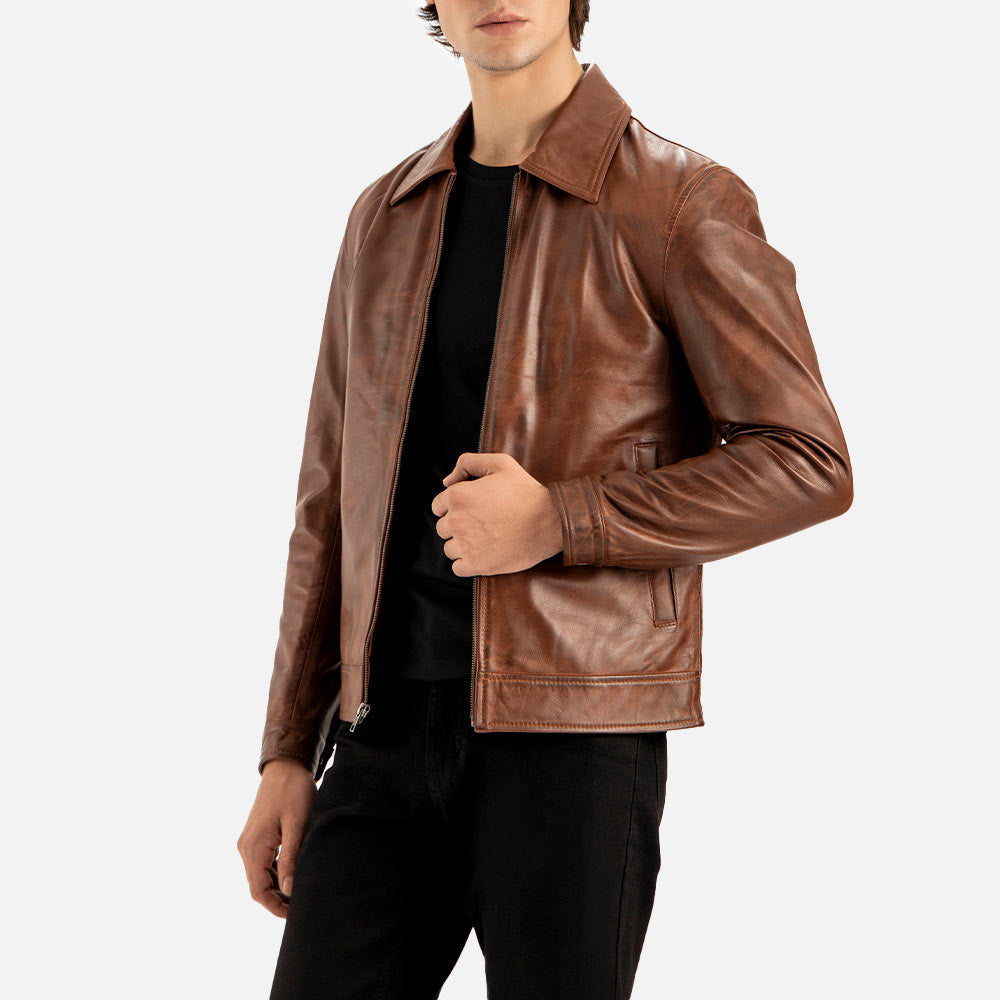
A leather bomber jacket needs two care routines. The leather panels get wiped every two to three weeks and conditioned every three to six months. The knit ribbing at the cuffs and hem gets neither, because conditioner is oil and it will leave a permanent greasy patch on knit. Add a yearly zip lubrication and a wide padded hanger, and a well-made bomber will last ten years or more.
Almost every leather bomber jacket that gets thrown away still has perfectly good leather on it.
What actually failed was the ribbing at the cuffs, or the zip, or the shape across the shoulders. None of those are leather, and none of them are covered by standard leather care advice.
That is the gap this leather bomber jacket care guide is meant to close. First the routine, then a list of the problems that come up and what to do about each one.
Why a Bomber Needs Different Care
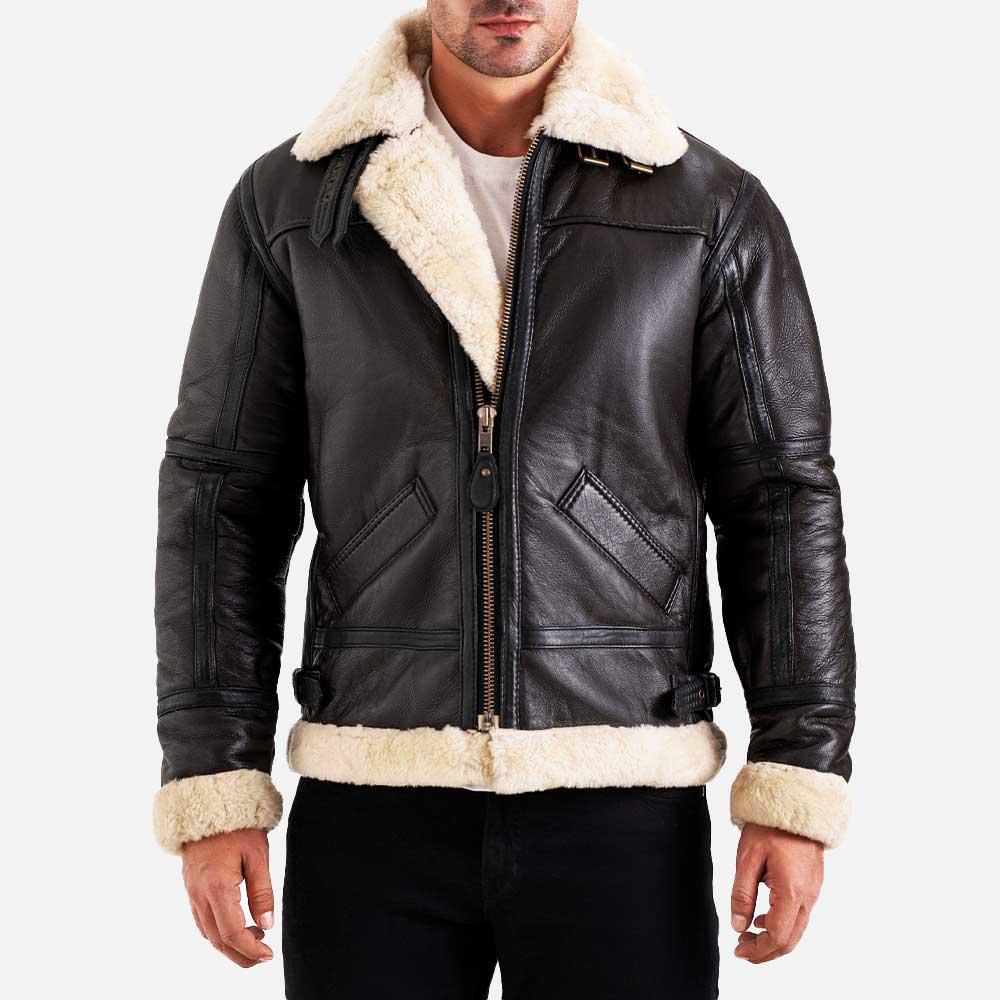
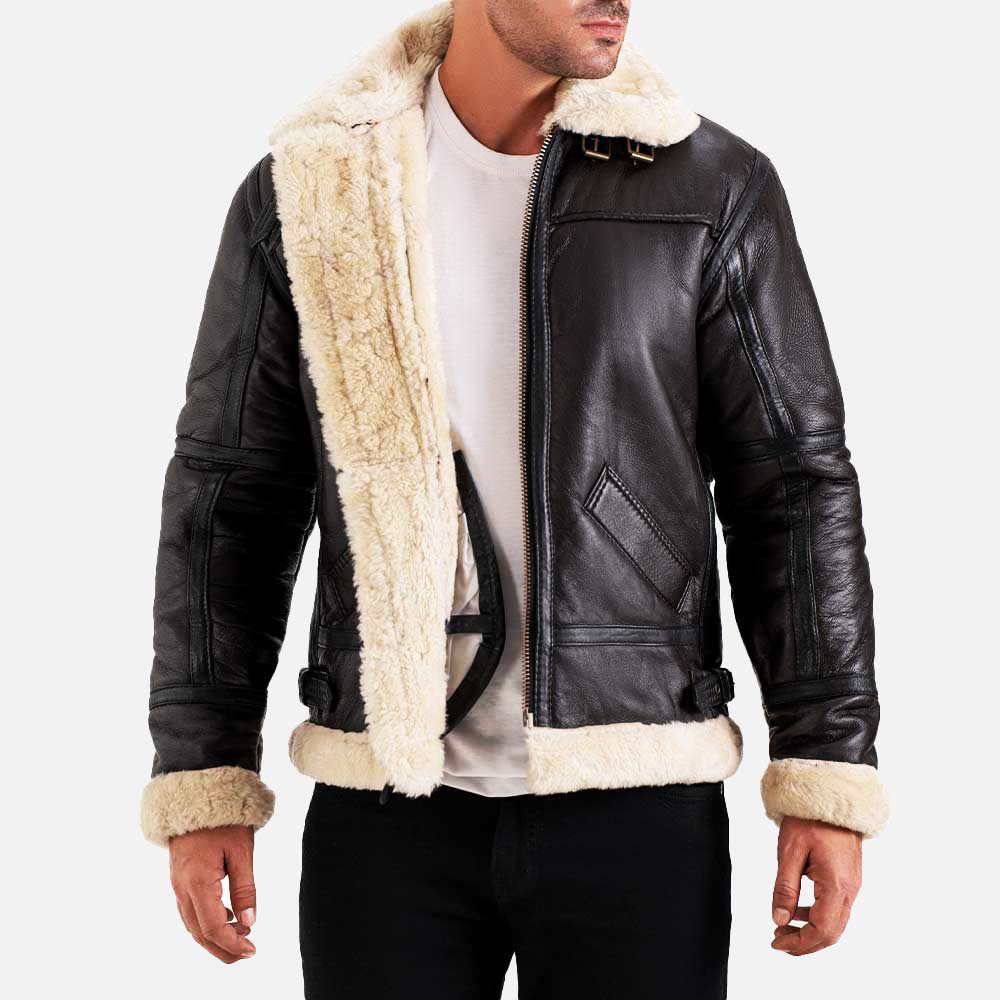
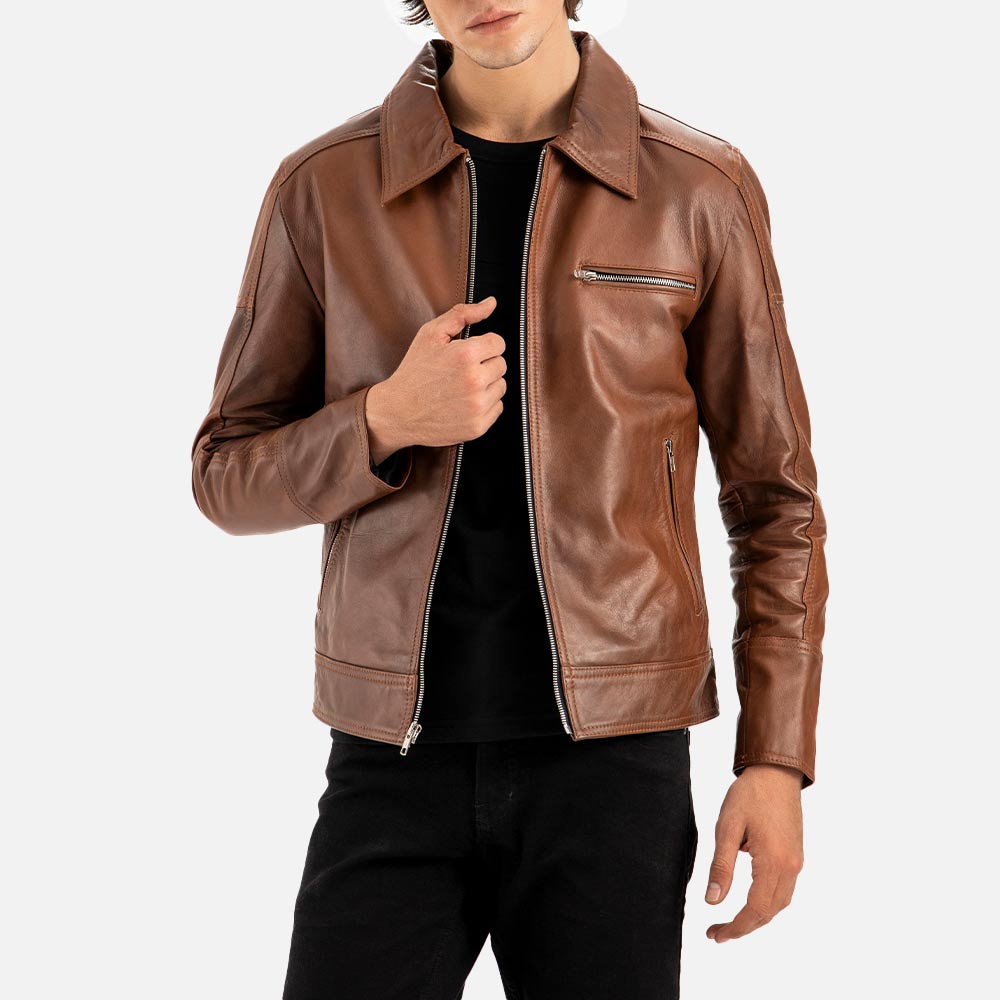
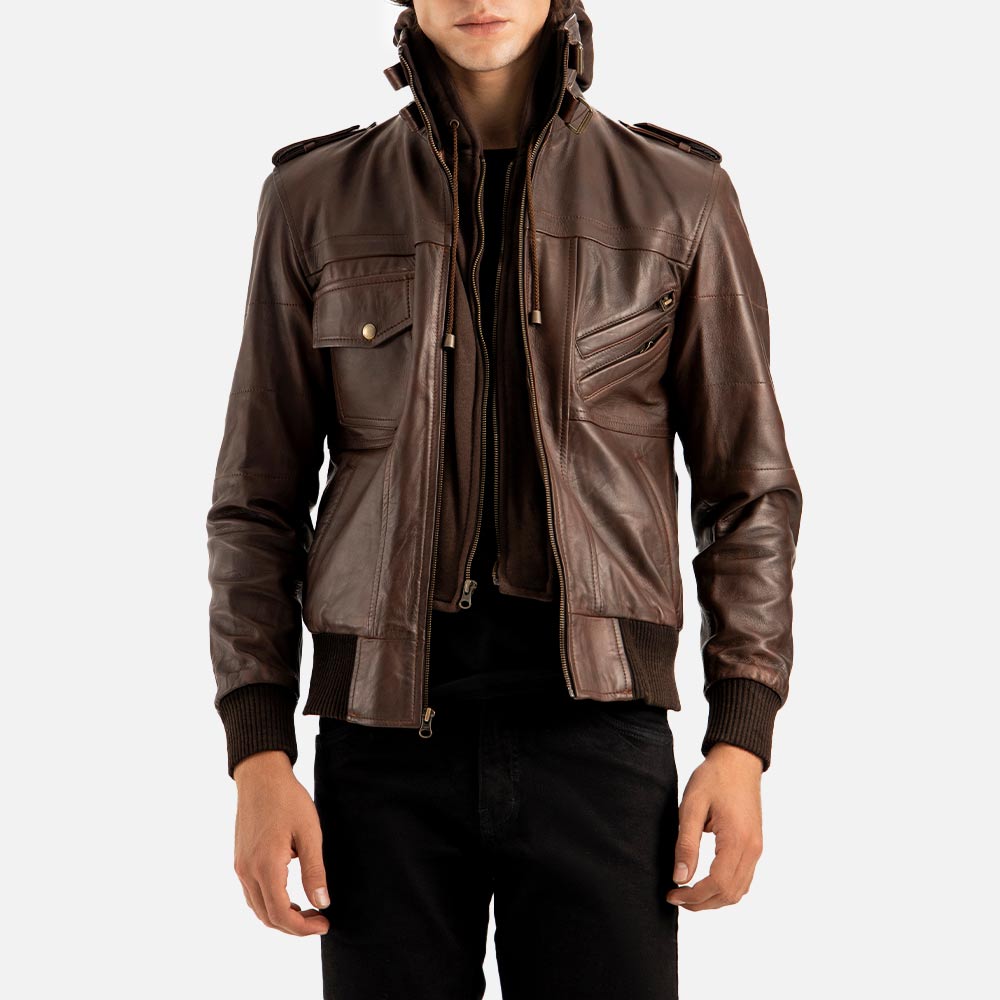
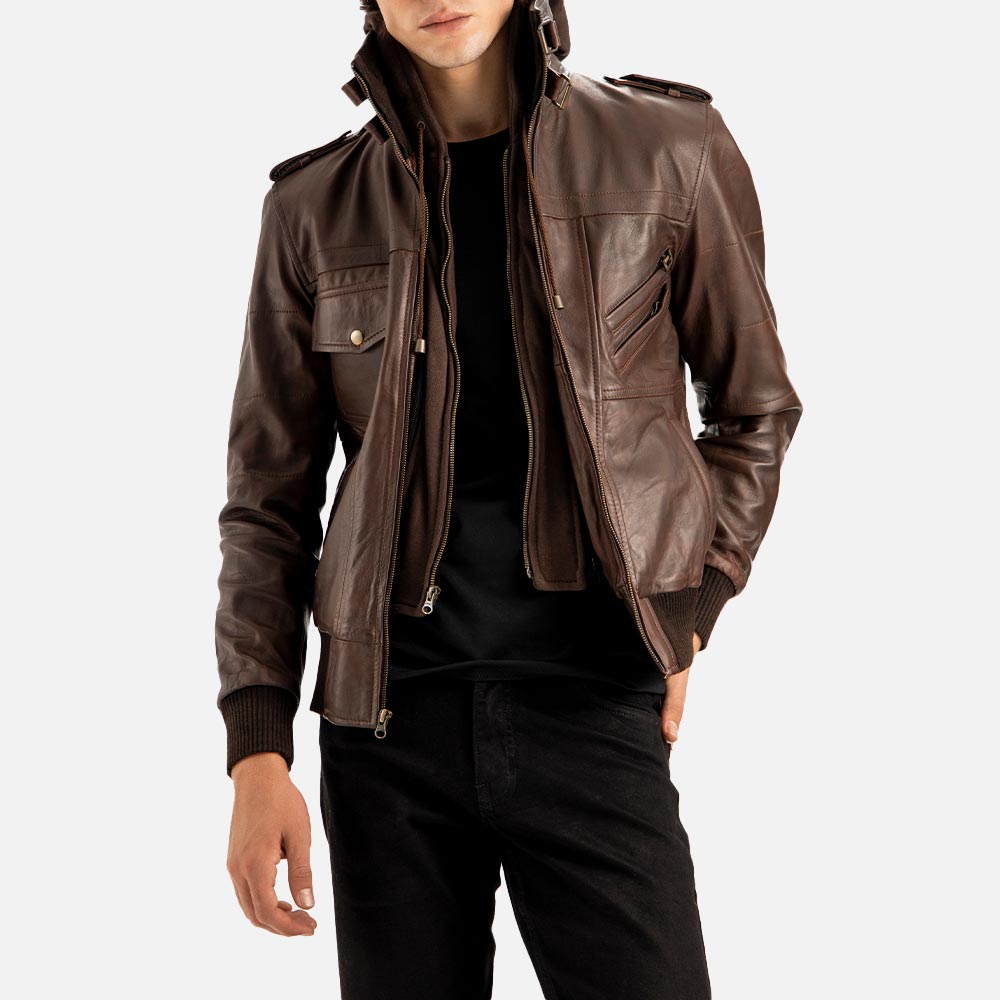
A leather bomber jacket is made of 4 different types of materials, and each material has different care requirements.
-
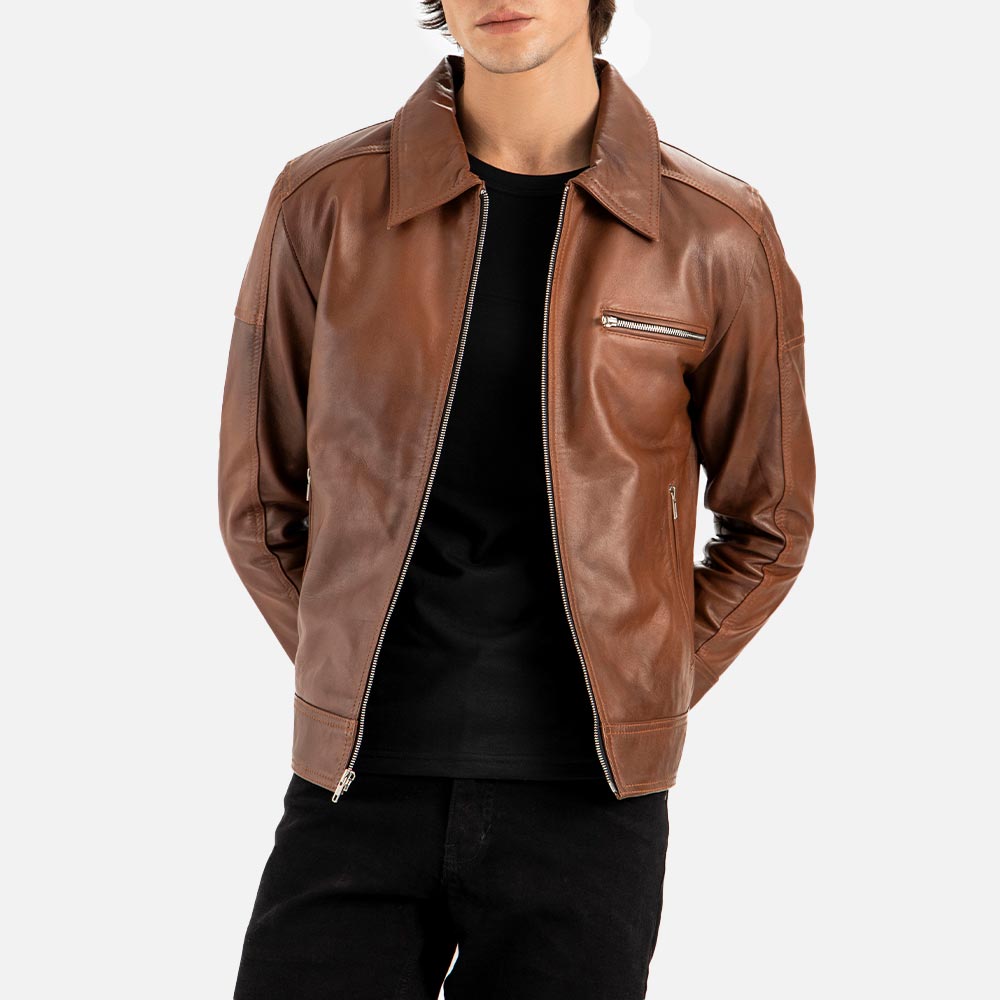
The body and sleeves. Tanned hide. This is the part that needs wiping and conditioning, and it is the part most care guides talk about.
-
The cuffs and hem. Knitted ribbing, usually wool or an acrylic blend. Knit stretches, pills, and holds skin oil. It does not want conditioner anywhere near it.
-
The front zip. Metal teeth and a slider. It needs lubricating once a year and nothing else.
-
The lining. Fabric or shearling. This is where odour builds up, and it is cleaned separately from the leather around it.
Those four parts fail at different times and for different reasons. The leather is usually the last thing to go. The ribbing is normally the first.
Most care guides treat a bomber as a leather jacket and give leather advice for the whole thing. That is how people end up rubbing conditioner into their cuffs and wondering why the knit stays greasy.
So leather bomber jacket maintenance is really four short routines rather than one long one. Knowing how to care for a leather bomber jacket mostly means knowing which routine belongs to which part.
The Step by Step Care Routine
Step 1: Empty the pockets and hang it properly
Start here every time. Weight in the pockets pulls the panels out of shape, and a wire hanger puts all that weight on two narrow points. Use a wide padded hanger, and give the jacket room on either side so air can move around it.
Step 2: How to Clean a Leather Bomber Jacket's Leather Panels
Every two to three weeks, go over the leather with a dry microfiber cloth using small circular motions. Dirt that settles into the grain is far harder to remove later than dust sitting on the surface.
For dirt caught in the seams, a soft brush works better than a cloth.
Step 3: Clean the ribbing separately
Dampen a second cloth with warm water and a single drop of mild soap, then wring it out until it is barely damp. Dab the ribbing rather than rubbing it, and keep the water off the leather next to it.
Never use conditioner here. This is the single most common mistake people make with a bomber.
Step 4: Wipe the lining
Every couple of months, turn the jacket inside out and wipe the underarms and the inside of the collar with a barely damp cloth. That is where odor builds up, and it is almost never the leather causing it.
If the lining is shearling, brush the wool with a soft brush instead and let the jacket air out for a day. Winter bomber jackets for men usually carry shearling, so this applies to most warm leather bomber jackets.
Step 5: Condition the leather
Every three to six months, put a small amount of leather conditioner on a cloth and work it in with circular motions. Concentrate on the elbows and cuff edges, which crack first because they flex most.
Wipe off anything that has not absorbed after ten minutes. Leftover conditioner sits on the surface, feels tacky, and attracts dirt.
Skip the kitchen cupboard while you are at it. Olive oil and coconut oil come up constantly online, but food oils darken, hide unevenly, and can turn rancid inside the fibers. Masterclass makes the same point in its leather conditioning guide, and our own guide to leather oils covers what actually works.
One warning that rarely gets mentioned: you can condition too often. Over-conditioning softens the structure, dulls the grain, and leaves the leather limp. Three to six months is the interval for a jacket in regular use. Twice a year is enough for one you wear occasionally.
Step 6: Look after the zip
Run it fully open and closed a few times a month. Once a year, rub a graphite pencil along the teeth or use a purpose-made zipper lubricant. Do not use household oil, because it migrates onto the leather and stains it.
Step 7: Store it correctly between seasons
Clean and condition the jacket before it goes away, and make sure it is completely dry. Keep it on a padded hanger somewhere cool with air around it. A plastic garment bag traps moisture, which is how mold starts, so use a breathable cotton one if you use anything at all.
A Simple Care Schedule
|
How often |
What to do |
|
After each wear |
Empty pockets, hang on a padded hanger, air it out |
|
Every 2 to 3 weeks |
Dry wipe the leather panels |
|
Every 2 months |
Wipe the lining, check the ribbing |
|
Every 3 to 6 months |
Condition the leather |
|
Once a year |
Lubricate the zip |
|
Same day |
Deal with any spill or soaking |
|
Before storage |
Clean, condition, dry fully |
Common Problems and How to Fix Them
Even with a good routine, something might arise, most of these are fixable, and several are fixable by you in ten minutes.
|
Problem |
What to do |
DIY or professional? |
|
Ribbing stretched, cuffs no longer grip |
A tailor can replace the knit trim |
Professional |
|
Pilling on ribbing |
Use a fabric shaver, never scissors |
DIY |
|
Zip slider separating |
Replace the slider before it fails completely |
Professional, inexpensive |
|
Leather feels dry or stiff |
Condition it, then again two weeks later |
DIY |
|
Fine scratches, stiff zip, loose thread |
Conditioner for scratches, graphite pencil for the zip, trim threads flush and never pull them |
DIY |
|
Deep cuts or gouges |
Leather filler and re-dye |
Professional |
|
Water spots |
Blot, air dry, then condition the whole panel evenly |
DIY |
|
Oil or grease stain |
Cornstarch overnight, brush off in the morning |
DIY |
|
Ink |
Do not attempt it at home |
Professional |
|
Smell in the lining |
Air it out, wipe the lining, never spray perfume on hide |
DIY |
|
Mold spots |
Test a hidden area first, then wipe with equal parts water and white vinegar and dry fully |
DIY, then get it checked |
|
Color fading or rubbing off |
Re-dyeing |
Professional |
|
Shoulder dents from a wire hanger |
Prevention only, these do not come out |
Neither |
Two rules that apply to every stain on that list
The first is to blot rather than scrub. Rubbing a stain spreads it outward and can lift the finish underneath, which turns one problem into two.
The second is to deal with it the same day. A fresh spill usually lifts completely, while the same spill a month later often will not. Speed matters more than technique here.
What You Can Fix Yourself, and What You Cannot
Most day-to-day problems are DIY. Conditioning, light scratches, water spots, smells, and stiff zips all come down to a cloth and ten minutes.
Take it to a leather specialist when the damage is structural or in the dye layer. That means deep cuts, ink, faded color, torn seams, a failed zip, or ribbing that needs replacing. Ask before you hand it over, because most standard dry cleaners do not work on leather.
There is one category that belongs to neither. No one can undo heat damage and shoulder dents. Once leather has cracked from a radiator or a hairdryer, that is permanent, which is why the storage advice above matters more than any repair tip.
The Problems That Come From the Jacket, Not the Care
Here is a distinction worth drawing, because it decides how much of this list will ever apply to you.
Some problems on that table come from how a jacket is treated. Heat cracking, stretched cuffs from tugging them off, water stains from rushing the drying. Those happen to any leather jacket, including ours, and no maker can prevent them.
Others come from how the jacket was built in the first place:
-
Peeling surfaces happen on bonded and PU jackets, where a coating is glued to fabric. Full-grain hide has nothing to peel off.
-
Color rubbing onto shirts comes from surface dye on cheaply finished leather.
-
Ribbing that stretches out within one season is thin, low-density knit.
-
Zips that fail in the first year are unbranded hardware.
-
Linings tearing at the armhole before the leather shows any wear at all.
We build against that second list at Marco Enzolani. Our leather is full-grain, sourced from established tanneries, and cut and sewn by artisans who have often learned the trade across generations. Every jacket goes through a quality check before it ships, and you can see how that works on our jacket process page.
We would rather point you at what customers say than tell you ourselves. There are over 200 five-star reviews on Google, and you can read them on our customer reviews page.
No. Water strips the oils out of hide, and the tumbling ruins the shape. Spot cleaning is the only safe method. Our cleaning guide covers it fully.
Built to Be Looked After
A good routine only pays off on a jacket that deserves it. Bonded and synthetic finishes peel no matter how carefully you treat them, which is why the best bomber jackets for men are the ones built to be maintained in the first place.
That is the difference between the best leather bomber jackets and the ones that look similar on a rail. Every jacket we make is cut from full-grain hide and hand-sewn by our artisans, with ribbing and hardware chosen to last as long as the leather does.
We sell direct, so premium bomber jackets for men stay affordable, whether you want everyday bomber jackets for daily wear or the best bomber jackets for winter with real shearling inside.
Shop leather bomber jackets with 33 styles from $169.99, free worldwide shipping, and 30-day returns.
For more Knowledge related to Bomber Jacket
-
What Is a Bomber Jacket?
-
Guide to Choosing Bomber Jacket
-
Bomber Jacket vs Aviator Jacket
-
How to Clean Your Leather Jacket at Home


Leave a comment
This site is protected by hCaptcha and the hCaptcha Privacy Policy and Terms of Service apply.